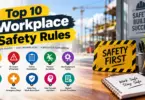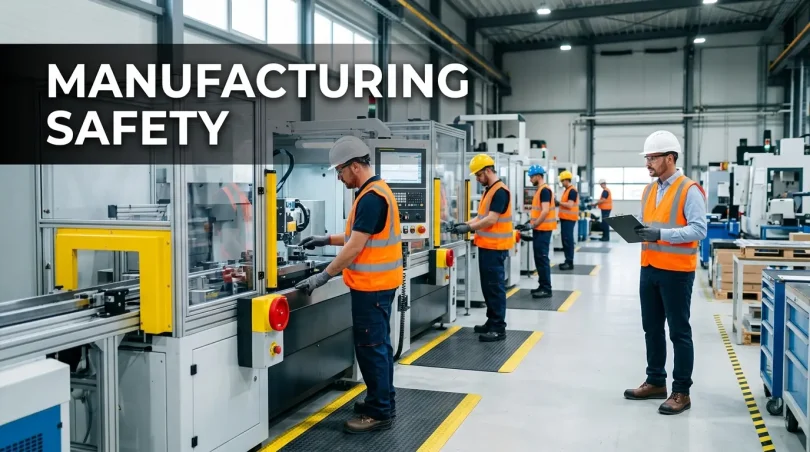

Manufacturing safety means the daily practices, equipment, and rules that protect workers from machinery, chemical, and physical hazards on a plant floor. It includes PPE, machine guarding, lockout/tagout, housekeeping, and hazard reporting. The goal is simple: reduce injuries, stay OSHA compliant, and keep production running without accidents.
Manufacturing is one of the most physically demanding industries a person can work in. Heavy machines, moving parts, chemicals, forklifts, and long shifts all sit in the same space as human beings. When safety is treated as a daily habit instead of a once-a-year training video, injuries go down and productivity goes up. This guide breaks down what manufacturing safety actually means, the hazards that cause the most accidents, and the practical steps any plant, big or small, can start using today.
What Is Manufacturing Safety?
Manufacturing safety is the set of practices, protocols, and equipment used to protect employees from the risks found in industrial environments. It covers everything from wearing the correct protective gear to locking out a machine before repairing it, to keeping floors clear of spills and clutter.
It is not a single policy or a poster on the wall. It is a combination of:
- Physical safeguards (machine guards, ventilation, fire suppression)
- Personal protective equipment (PPE)
- Written procedures (lockout/tagout, hazard communication)
- Training and refreshers
- A culture where workers feel safe reporting problems
When any one of these pieces is missing, risk goes up, even if the rest of the system looks solid on paper.
Why Manufacturing Safety Matters
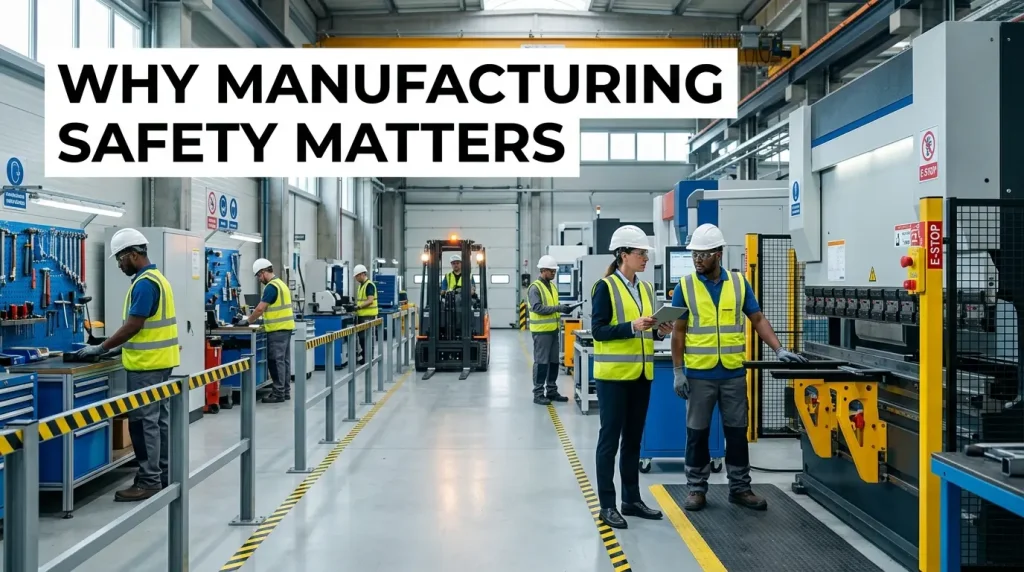
The numbers make the case better than any slogan can. The U.S. Bureau of Labor Statistics recorded 391 fatal occupational injuries in manufacturing in 2023 alone. In Australia, manufacturing ranks as the fifth most dangerous industry, with around 10 fatalities for every 100,000 workers. These aren’t abstract statistics. Each one represents a shift that started like any other and ended in tragedy.
Beyond the human cost, poor safety practices hit the business directly:
- Downtime. Every incident stops the line, sometimes for hours, sometimes for days.
- Cost. Medical bills, workers’ compensation claims, and legal fees add up fast.
- Turnover. Workers don’t stay at plants where they don’t feel safe.
- Reputation. OSHA citations and safety records are public and follow a company for years.
A safe plant is, in almost every case, also a more productive one. Fewer injuries mean fewer disruptions and a workforce that trusts its employer.
The Most Common Hazards in a Manufacturing Facility
Before fixing a problem, you need to know where it hides. Two different sets of data point to where manufacturing needs to focus.
First, based on OSHA’s enforcement records, a handful of standards get cited in manufacturing facilities more than others: lockout/tagout (control of hazardous energy), machine guarding, powered industrial trucks, respiratory protection, and hazard communication. Machine guarding citations in particular are concentrated in manufacturing: OSHA’s own enforcement data shows the large majority of machine guarding citations each year go to manufacturing employers specifically.
Second, based on BLS injury data across industries, the events that actually put the most workers out on medical leave are overexertion and bodily reaction (lifting, repetitive motion, awkward posture), followed closely by slips, trips, and falls, and then contact with objects or equipment. Together these three categories account for the large majority of nonfatal injury cases involving time away from work.
Add heat stress, electrical hazards, fire risk from combustible dust or materials, and chemical exposure, and you have a fairly complete map of where manufacturing safety programs need to focus their attention.
12 Manufacturing Safety Tips That Actually Work
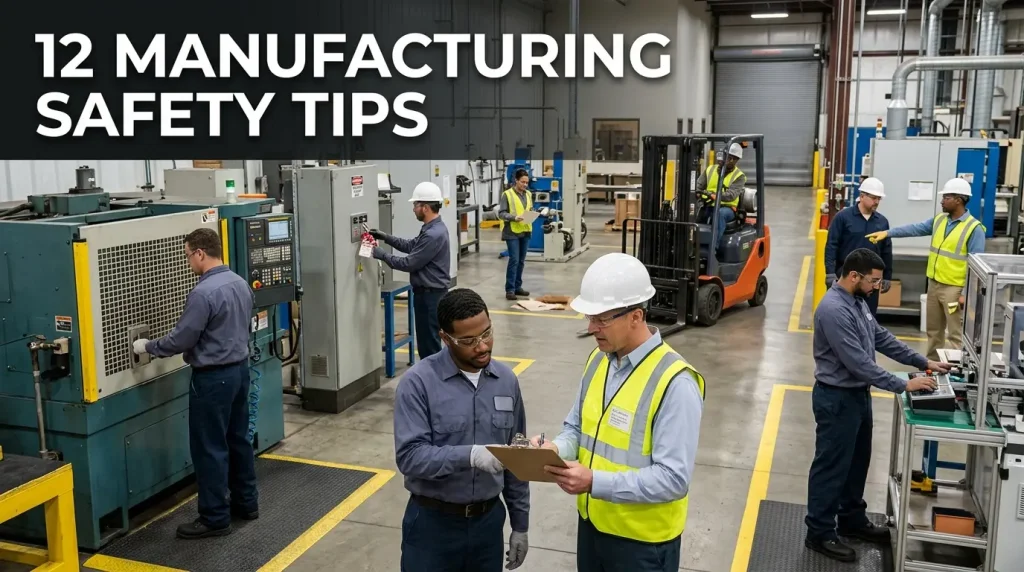
These aren’t generic reminders. Each one addresses a specific, well-documented cause of manufacturing injuries.
1. Wear the Right PPE, Every Time
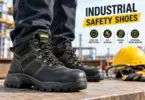
Goggles, gloves, hard hats, hearing protection, and steel-toe boots exist because they are the last line of defense once every other safeguard has failed. PPE only works if it fits properly and is inspected regularly for wear. A cracked lens or a torn glove is worse than no protection at all, because it creates false confidence.
2. Follow Lockout/Tagout Procedures Without Shortcuts
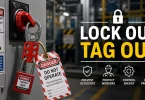
Lockout/tagout (LOTO) is one of OSHA’s most-cited standards for a reason. Skipping it, even “just for a minute,” is how workers lose fingers and lives. Every machine that gets serviced needs to be fully de-energized, locked, and tagged before anyone touches it.
3. Keep Machine Guards in Place
Guards get removed for cleaning or quick fixes and don’t always go back on. Make it a rule: no guard, no operation. A five-minute delay to reinstall a guard is nothing compared to the cost of an amputation injury.
4. Make Housekeeping a Daily Habit, Not a Weekly Chore
Cluttered walkways, spilled liquids, and misplaced materials are behind more injuries than almost anything else on a plant floor. Assign clear responsibility for waste removal, keep aisles clear, and clean spills immediately rather than waiting for the end of shift.
5. Address Slip, Trip, and Fall Hazards Head-On
Anti-slip flooring, drip pans, proper lighting, and handrails prevent the majority of these incidents. Color-coded floor markings that follow OSHA guidance also help workers spot hazards at a glance, especially in fast-moving areas.
6. Handle Forklifts and Powered Industrial Trucks with Real Discipline
Only certified operators should run a forklift, and pedestrian pathways need to be clearly marked and separated from vehicle traffic wherever possible. A simple horn tap at blind corners has prevented more accidents than most safety software ever will.
7. Manage Chemicals Through a Real Hazard Communication Program
If your plant uses, stores, or produces hazardous chemicals, OSHA’s HazCom standard requires safety data sheets (SDS) and proper labeling. Workers need to know what they’re handling, not guess based on the color of the container.
8. Protect Workers from Heat Stress, Indoors Too
Heat stress isn’t just an outdoor construction problem. Manufacturing machinery, poor ventilation, and heavy PPE all raise core body temperature and reduce alertness. Build in hydration breaks, monitor for early symptoms, and adjust workloads during hot months.
9. Build Ergonomics into the Task, Not as an Afterthought
Strains and sprains from repetitive motion or awkward lifting are some of the most common, and most preventable, manufacturing injuries. Adjustable workstations, lifting aids, and anti-fatigue mats reduce the strain on the body over an entire shift, not just a single task.
10. Run Short, Daily Pre-Shift Safety Briefings
A five-minute toolbox talk before the shift starts keeps hazard awareness fresh and gives workers a chance to flag concerns before they become incidents. These briefings work best when they’re specific to that day’s tasks, not a repeat of the same general reminder every time.
11. Encourage Immediate Hazard Reporting, No Matter How Small
If a worker sees something that could hurt someone, whether it’s a puddle, a loose cable, or a missing guard, they should feel comfortable fixing it or flagging it right away. A culture where reporting is welcomed, not punished, catches problems before they turn into incidents.
12. Investigate Every Incident, and Actually Act on What You Find
When something does go wrong, a real investigation looks past “who made the mistake” and asks “what allowed this to happen.” Countermeasures should address the root cause, not just the individual involved. This is often the difference between a plant that repeats the same incident every year and one that steadily reduces its injury rate.
Staying OSHA Compliant Without Turning Safety into Paperwork
Compliance and safety aren’t the same thing, but they overlap heavily. OSHA requires things like documented HazCom programs, recorded training, and timely incident reporting (fatal accidents must be reported within eight hours). The plants that struggle with compliance usually aren’t ignoring the rules; they’re treating documentation as a burden instead of a byproduct of doing things right in the first place.
The easiest way to stay compliant is to build good habits first. If PPE is worn correctly, machines are guarded, and hazards are reported daily, most of the compliance paperwork writes itself.
Building a Safety Culture That Sticks
Rules and checklists only go so far. The plants with the strongest safety records treat it as a shared responsibility, not a department. That means:
- Supervisors who model the behavior they expect from workers
- Safety meetings that aren’t rescheduled or skipped when production gets busy
- Recognition for workers who speak up about hazards, instead of quiet frustration
- Consistent enforcement, so the same rule applies to a new hire and a 20-year veteran
A safety culture is built in the small, repeated decisions made every single day, not in the annual training session.
Frequently Asked Questions
What is the biggest cause of injuries in manufacturing?
Slips, trips, and falls cause more workplace injuries than any other single hazard category, followed closely by machine guarding and lockout/tagout violations.
How often should manufacturing safety training happen?
Beyond initial onboarding, refresher training should happen at least annually, with shorter daily or weekly toolbox talks to keep hazard awareness current for the specific tasks at hand.
Is PPE enough to keep manufacturing workers safe?
No. PPE is the last line of defense, not the first. Machine guarding, proper procedures, and a strong reporting culture all need to be in place before PPE even comes into play.
What should a worker do if they spot an unsafe condition?
Fix it immediately if it’s safe to do so, such as cleaning up a spill. If it isn’t safe to handle directly, report it to a supervisor right away rather than waiting for a scheduled inspection.
What are the most important manufacturing safety rules?
The most important manufacturing safety rules include using required PPE, keeping machine guards in place, following lockout/tagout procedures, maintaining clean work areas, operating forklifts safely, reporting hazards, and following established workplace safety procedures.
What PPE is commonly required in manufacturing?
Common manufacturing PPE includes safety glasses or goggles, hearing protection, protective gloves, hard hats, steel-toe footwear, high-visibility clothing, and respiratory protection where required. The appropriate PPE depends on the hazards and tasks present in each facility.
How can manufacturers prevent workplace accidents?
Manufacturers can reduce workplace accidents by identifying hazards, maintaining machine guards, training employees, enforcing lockout/tagout procedures, improving housekeeping, separating pedestrians from vehicle traffic, maintaining equipment, and encouraging employees to report unsafe conditions.
Why is machine safety important in manufacturing?
Machine safety helps protect workers from moving parts, crushing points, cutting hazards, entanglement, and other mechanical risks. Proper guarding, maintenance, employee training, and lockout/tagout procedures are essential for reducing machine-related injuries.
You May Also Like It: