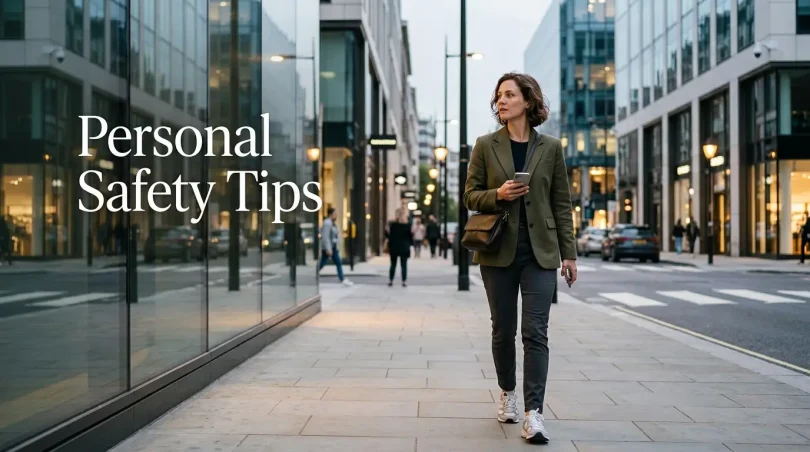

The core of personal safety comes down to five habits: stay aware of your surroundings at all times, trust your instincts when something feels wrong, avoid isolated or poorly lit areas, keep your hands free and your phone away while walking alone, and let someone know your plans when you go out. These everyday safety tips work as a personal safety checklist you can apply at home, at work, while traveling, and online, and together they build the kind of situational awareness that keeps you a step ahead of trouble.
Below are 25 detailed, practical personal security tips covering the street, your car, your home, travel, the workplace, and your digital life, along with what to do if someone is following you.
Why Personal Safety Habits Matter
Most crimes are not random. Criminals typically look for an easy target, meaning someone distracted, someone alone in a dark area, or someone who looks unsure of themselves. You cannot control every situation, but you can control how prepared and alert you are, and that alone removes you from the “easy target” category. Building a few simple habits into your daily routine is often more effective than any single gadget or app, and it applies just as much to personal safety tips for women as it does to anyone walking, driving, or traveling alone.
Personal Safety Tips for Walking Alone and Staying Safe in Public
1. Stay alert and aware of your surroundings
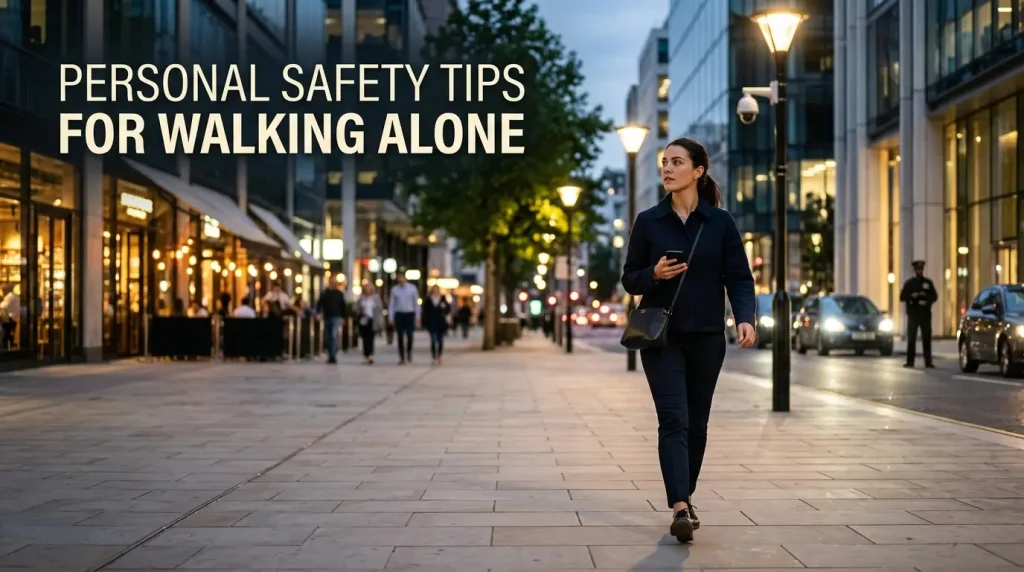
Put your phone away and take your headphones off when you are walking alone, especially after dark. Scan the street ahead of you, notice who is nearby, and pay attention to parked cars, doorways, and alleys where someone could be waiting. You cannot react to a threat you never noticed, so this kind of situational awareness is the foundation every other tip on this list builds on.
2. Walk with confidence and purpose
Keep your head up, your shoulders back, and a steady, deliberate pace, even if you are unsure where you are going. People who look lost, distracted, or hesitant are more likely to be approached by someone looking for an easy target. If you need to check directions, step into a shop or a well lit doorway rather than stopping in the open street.
3. Trust your instincts
If a person, a street, or a situation feels wrong, treat that feeling as real information rather than something to brush off. Cross the street, turn around, or walk toward a public space with other people. You do not need a logical explanation to leave a situation, and acting a few seconds early is almost always better than waiting to see what happens.
4. Avoid isolated areas and shortcuts, especially at night
Stick to well lit, busy streets rather than alleys, empty parking lots, or shortcuts through vacant land. This matters most when you are practicing personal safety tips at night, since visibility and foot traffic both drop after dark. Walk closer to the curb and away from bushes, doorways, and parked vans where someone could be hiding, even if the safer route takes a few extra minutes.
5. Do not engage with strangers who approach you
If someone you do not know starts a conversation on the street, a short response or no response at all is completely acceptable. Genuine requests for directions or help rarely require you to stop walking or get close to a stranger. Continue moving toward a populated area while you assess whether the person is simply lost or actually trying to distract you.
6. Keep valuables out of sight
Turn rings inward, tuck jewelry under clothing, and avoid flashing cash, a new phone, or a full wallet in crowded public places. A visible display of valuables signals to opportunistic thieves that you are worth targeting. Carry a bag close to your body, ideally across your chest, rather than loosely on one shoulder where it can be grabbed easily.
What to Do If Someone Is Following You
7. Change direction to confirm and lose a follower
Cross the street, turn a corner, or double back the way you came. A genuine follower will usually mirror your movement, which helps you confirm whether the threat is real rather than just anxiety. Avoid walking toward your home once you suspect you are being followed, since that would reveal where you live to the person behind you.
8. Head toward help and call for backup
Move toward the nearest open store, restaurant, or well lit public building where staff and other people can see you. Call a friend, family member, or emergency services while you walk, and speak clearly about your location. Even a loud phone conversation, real or not, is often enough to make a potential attacker lose interest and back off.
Car and Parking Lot Safety
9. Have your keys ready and check the back seat
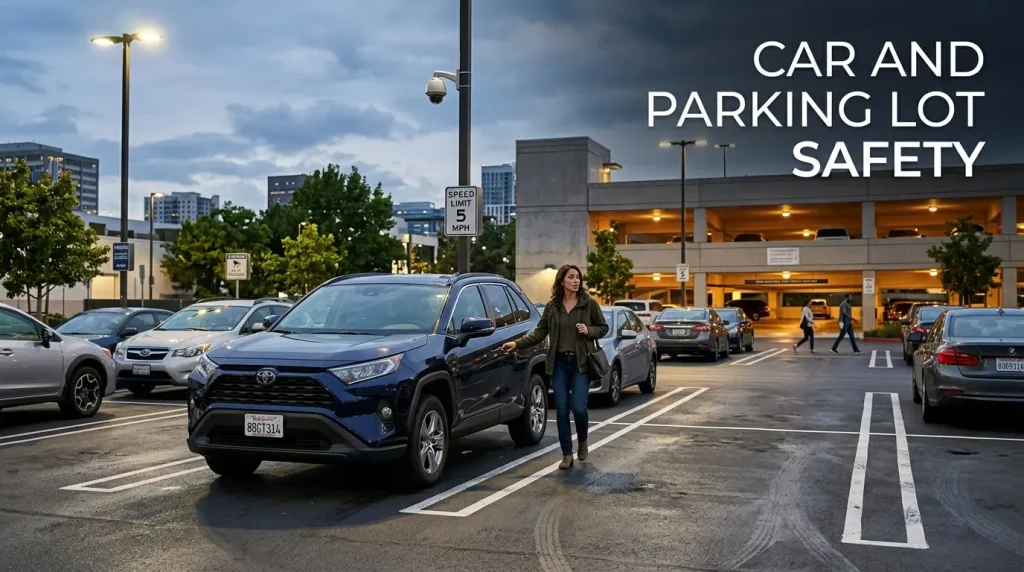
Take your keys out before you reach your car so you are not digging through a bag or pocket while distracted. Before getting in, glance at the back seat and floor to make sure no one is hiding inside. This takes only a few seconds and removes one of the more common ways people are caught off guard near their vehicles.
10. Lock your doors every single time
Lock your car doors immediately after getting in, even for a quick stop, and again as soon as you get out. Many incidents happen because someone assumes a short errand does not require locking up. Keep this as an automatic habit rather than something you decide about each time.
11. Park in well lit, high traffic areas
Choose parking spots close to entrances, under working lights, and in areas with regular foot traffic rather than dark corners of a lot. Take note of exactly where you parked, including a photo if the lot is large, so you are not wandering around searching for your car later. Never leave valuables visible inside the vehicle, since a bag or laptop on a seat is often enough to invite a break-in.
12. Handle car breakdowns safely
If your car breaks down, stay inside with the doors locked, turn on your hazard lights, and call for roadside assistance or the police rather than getting out to flag someone down. If a stranger stops to help, thank them but ask them to call for assistance on your behalf instead of unlocking your doors or stepping outside. The same rule applies in reverse: if you see a stranded motorist, call for help for them rather than stopping yourself.
Personal Safety Tips at Home
13. Lock doors and windows every time
Get into the habit of locking every door and window whenever you leave, even for a quick trip to the mailbox, and again at night before bed. Unlocked entry points are one of the most common ways homes are broken into, and the lapse usually happens on the days people feel too rushed to bother. A simple checklist by the door can help this become automatic.
14. Verify visitors before opening the door
Install a peephole or a video doorbell so you can see who is outside before you open up. Do not open the door for unexpected delivery workers, repair technicians, or unfamiliar visitors without confirming their identity, either through a company you called yourself or by asking for ID through the door. It is always acceptable to ask someone to wait outside while you make a quick verification call.
15. Keep entryways lit and stay quiet about being away
Install lighting around your doors, windows, and any dark corners near your home to remove hiding spots. Avoid posting in real time on social media that you are away from home, and consider asking a trusted neighbor to collect mail or park in your driveway if you will be gone for several days. Getting to know your neighbors also means more people naturally keeping an eye on your property.
Personal Safety Tips While Traveling Alone
16. Share your itinerary and live location
Before any trip, share your accommodation details, travel dates, and general plans with someone you trust, and agree on a time to check in. Most phones let you share your live location with a chosen contact for a set period, which is especially useful for staying safe while traveling alone on unfamiliar routes. This single habit means someone will notice quickly if something goes wrong.
17. Blend in and avoid obvious tourist signals
Research the safety of a neighborhood before booking accommodation there, and keep a rough mental map instead of unfolding a large paper map in public. Avoid wearing expensive jewelry or gear that draws attention, and use official taxis or ride services rather than unmarked vehicles, particularly around airports and train stations. Keep copies of your passport and important documents separate from the originals, with a digital backup saved securely as well.
Personal Safety Tips at Work
18. Secure your valuables and lock up
Never leave a purse, wallet, or personal electronics visible on your desk or in shared spaces where visitors or delivery staff can access them. If you work alone or stay past normal hours, keep the office door locked even while you are inside. This is a simple habit that removes a large share of opportunistic office theft.
19. Know your exits and ask for an escort when needed
Learn where your building’s emergency exits are located and keep them clear at all times, since a blocked exit can turn a minor incident into a serious one. If you are leaving late at night, ask a coworker or a security guard to walk with you to your car rather than heading out alone. Report any suspicious people or activity to building security or your supervisor right away instead of assuming someone else has already noticed.
20. Follow safety protocols and take real breaks
Wear the protective equipment required for your role, follow your employer’s safety procedures, and attend refresher training when it is offered rather than treating it as optional. Fatigue is one of the leading causes of workplace accidents, so take your scheduled breaks instead of pushing through exhaustion. Learn basic first aid and know exactly where the first aid kit and designated first aider are located in your workplace.
Online Personal Safety and Digital Safety Tips
21. Be careful with real time location sharing
Post vacation or travel photos after you return home rather than while you are still away, since real time posts can tell strangers exactly when your home is empty. Review your social media privacy settings regularly, and think twice before sharing your daily routine, workplace, or children’s school in a public post. What feels like harmless sharing can quietly build a detailed picture of your habits for someone watching.
22. Strengthen your accounts and personal information
Use strong, unique passwords for accounts that hold financial or personal information, and turn on two factor authentication wherever it is available. Be cautious about how much personal detail you put in public profiles, including your home address or exact daily schedule. Many phones also include built in emergency and location sharing features that are worth setting up in advance as part of your own online personal safety routine, rather than during an actual emergency.
Mindset, Preparation, and Emergency Preparedness
23. Use the 3 A’s framework: awareness, assessment, action
Awareness means noticing your surroundings, exits, and the people near you before anything happens, rather than reacting only after a situation has already developed. Assessment means quickly evaluating what is going on: whether you are indoors or outdoors, whether help is nearby, and which direction is safest to move. Action means not hesitating once you decide something is wrong, whether that means leaving immediately, calling for help, or using a personal safety tool if the threat becomes immediate. This three step approach is one of the simplest ways to build lasting situational awareness into daily life.
24. Carry practical personal safety tools
A personal safety alarm or whistle can draw attention instantly and is legal almost everywhere. Where it is legal to carry, pepper spray kept somewhere accessible, not buried at the bottom of a bag, can buy you time to escape a dangerous situation. A basic self-defense class, even just a few sessions, builds muscle memory and confidence that stays with you long after the class ends, and a portable phone charger is a small but often overlooked piece of emergency preparedness that ensures you are never without the ability to call for help or share your location.
25. Report crimes and suspicious activity
If something does happen to you or you witness suspicious activity, report it, even if you assume nothing will come of it. Reports help authorities identify patterns, direct patrols to high risk areas, and in many cases lead directly to an arrest. No detail is too small to mention, and staying silent only makes it easier for the same situation to happen to someone else.
Personal Safety Checklist
Use this quick checklist to run through the basics before you head out, come home, or travel:
- Phone charged, keys in hand, headphones off in unfamiliar or dark areas
- Route planned along well lit, busy streets rather than shortcuts
- Someone knows your plans, destination, and expected return time
- Doors and windows locked before you leave home and before bed
- Valuables kept out of sight in your car, bag, and on your body
- Social media location sharing turned off until after a trip
- Passwords and two factor authentication set up on key accounts
- A personal alarm, whistle, or other safety tool within easy reach
Frequently Asked Questions
What are the most important personal safety tips?
Stay aware of your surroundings, trust your instincts, avoid isolated or poorly lit areas, keep your phone and hands free while walking, and let someone know your plans when heading out alone.
What is the number one rule of personal safety?
Awareness. Almost every other safety tip exists to support the basic habit of paying attention to your environment and the people in it.
How can I stay safe walking alone at night?
Stick to well lit, busy streets, walk with confidence, avoid headphones, keep your phone accessible but not distracting you, and share your route with someone you trust.
What should I do if I feel unsafe in public?
Move toward a public place with other people, such as a store or restaurant. Call someone, alert nearby staff, or contact emergency services if the situation feels serious.
What should you do if someone is following you?
Change direction to confirm it, avoid heading straight home, and move toward a well lit public place while calling someone or speaking loudly on the phone. Most people following someone will back off once they realize they have been noticed.
Do personal safety tips differ for women?
The core habits, awareness, trusting instincts, and avoiding isolated areas, apply to everyone, but many personal safety tips for women also include carrying a personal alarm, sharing live location on dates or solo trips, and parking closer to entrances at night, since research shows women are more frequently targeted in public spaces.
Are personal safety apps worth using?
Yes, for most people. Features like live location sharing, one tap emergency alerts, and fake call functions can genuinely help in a risky moment, especially when combined with good situational awareness.
What are the 3 A’s of personal safety?
Awareness, assessment, and action. You notice what is around you, quickly evaluate the risk, and then act without hesitating once you decide something is wrong.
Personal safety is not about living in fear. It is about building small, consistent everyday safety tips into habits that lower your risk everywhere you go, on the street, in your car, at home, at work, while traveling, and online. None of these 25 tips guarantee that nothing bad will ever happen, but together they make you a far harder target and give you a clear plan of action if something does.
You May Also Like It:
Industrial Robot Safety: The Complete 2026 Guide for Facilities, Engineers & Safety Managers
Safety Topics: Guide to OSHA Safety Topics, Toolbox Talks, and Meeting Ideas
Industrial Safety Signs: The Complete Guide to Types, Meanings, Colors, and Standards
Safety Equipment Supplier: The Complete Buyer’s Guide for US Businesses