Oct 29, 2026 · @Ahsan
Ask any machinist about the part that nearly broke them, and the story is usually about a setup, not a cut. A bracket with holes on four faces. A housing where one angled port had to line up with a datum on the opposite side. Every time the part comes off the table and goes back on, a little error creeps in. That is the real problem 5-axis CNC machining was built to solve.
What the two extra axes actually do
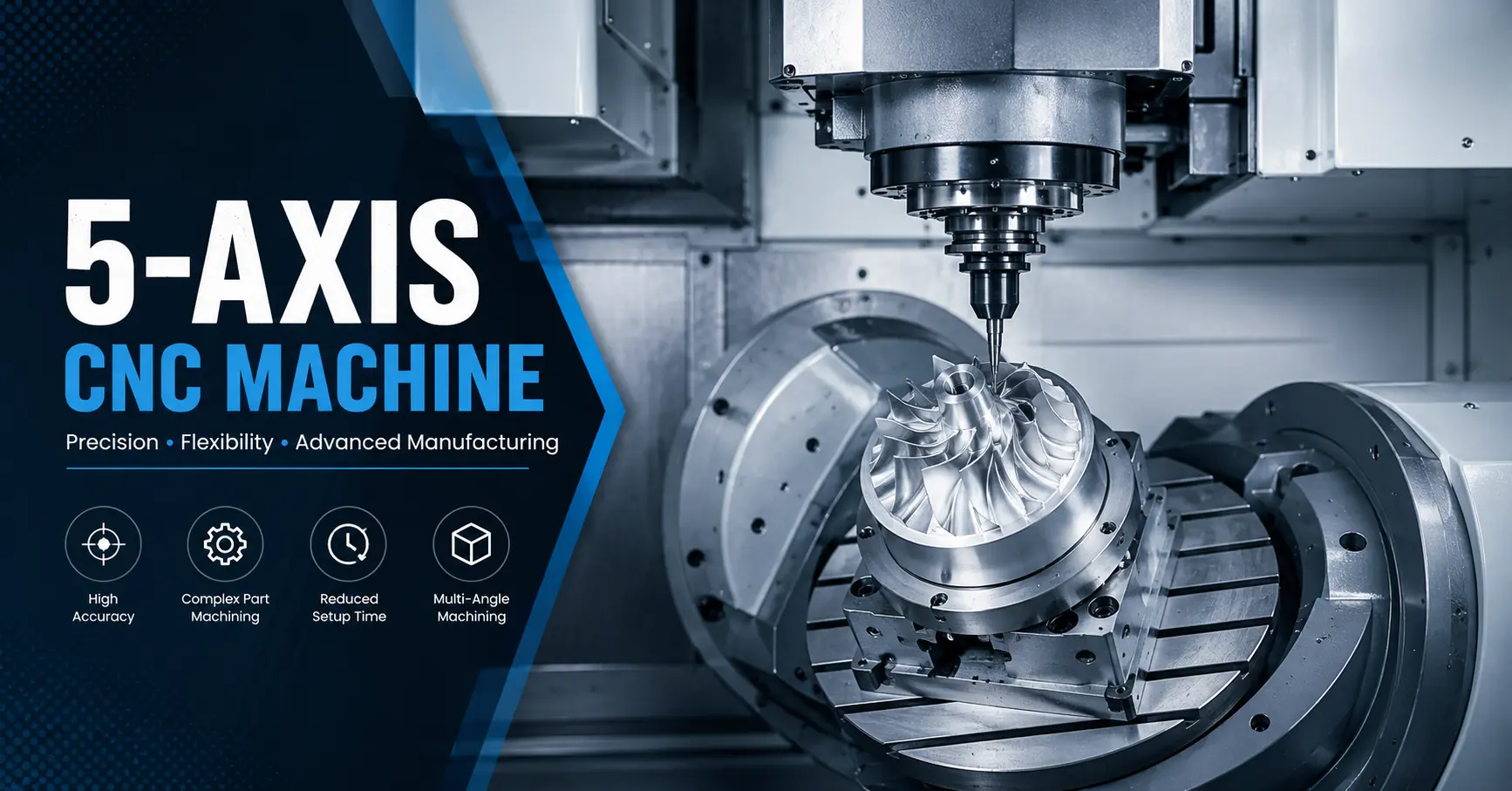
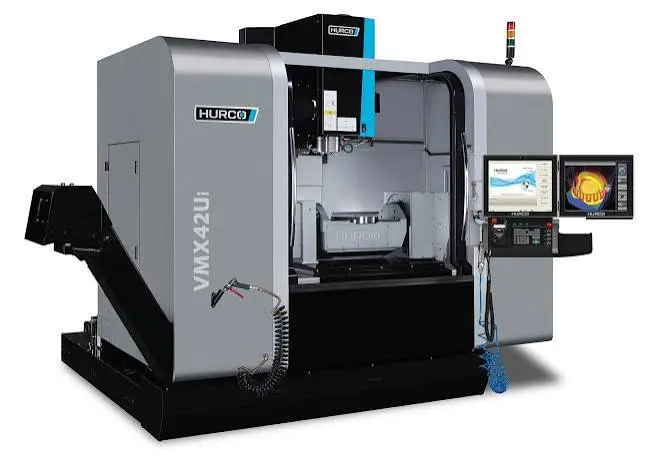
A standard mill moves the cutter along X, Y and Z. A 5-axis machine adds two rotary axes, so either the table tilts or the spindle head swivels. The tool can reach the side of a part, an undercut or a compound angle without anyone touching the clamps.
Fewer setups mean fewer chances to lose the relationship between features. On a complex aluminum housing, that is often the difference between parts that bolt together cleanly and parts that go back for rework.
3+2 or full simultaneous?
A lot of buyers assume 5-axis means all five axes moving at once. It usually doesn’t. Many jobs run as “3+2”: the machine rotates to a fixed angle, locks there, and cuts like an ordinary 3-axis mill.
Full simultaneous motion is saved for continuous curves, such as impeller blades, turbine parts and sculpted surfaces. A good shop chooses between the two based on the geometry in front of it, not on what sounds impressive in a quote.
Where it pays off, and where it doesn’t
The strongest candidates share one trait: features spread across several faces, or pockets too deep for a short tool to reach from above. Typical examples include:
- Impellers and turbine components
- Manifolds with angled ports
- Multi-face housings and optical mounts
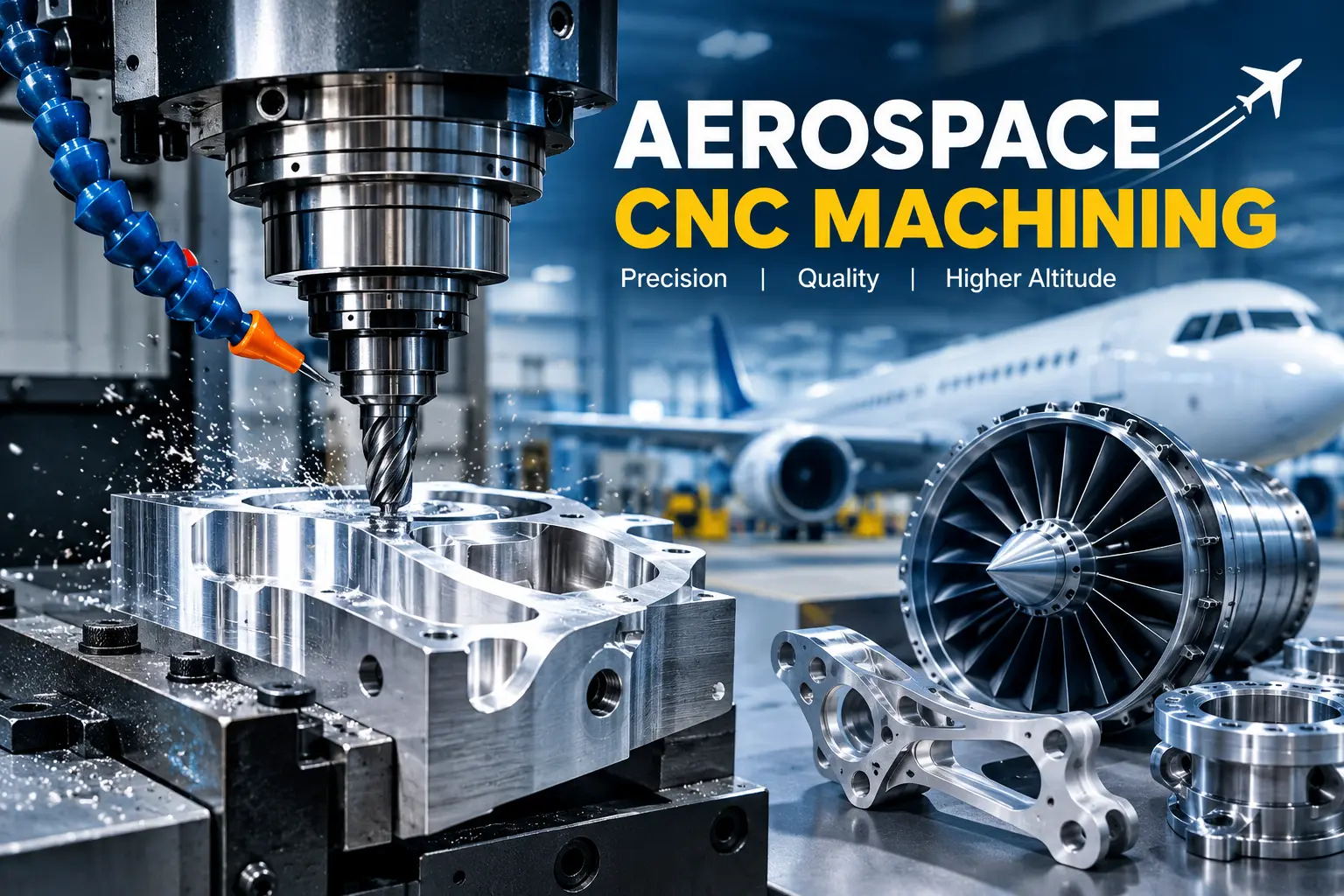
- Thin-wall aerospace brackets and EV parts
Now the honest part. A flat plate or a simple shaft does not need five axes. Machine time costs more, and programming takes longer. If a supplier pushes 5-axis on every drawing you send, it is fair to ask why.
What to send before asking for a quote
A clean request saves a week of back-and-forth. Send a STEP file plus a 2D drawing with tolerances and datums. Mark the features that are critical to quality. State the material grade, surface finish and quantity.
If you need CMM reports or first article inspection, say so up front. The inspection plan affects how the part is fixtured, so it should not be an afterthought.
The bottom line
Done well, this process is less about speed and more about control: one setup, one datum structure, results you can verify. If you are unsure whether your part needs it, Super-Ingenuity’s 5-axis CNC machining team reviews the geometry first and recommends a route, including a simpler one when that is the better call.